
Thanks to all your support, this project is fully funded and is no longer available for support. Crayweed planting and monitoring and maintenance have been successfully concluded, and the patch will continue to grow.
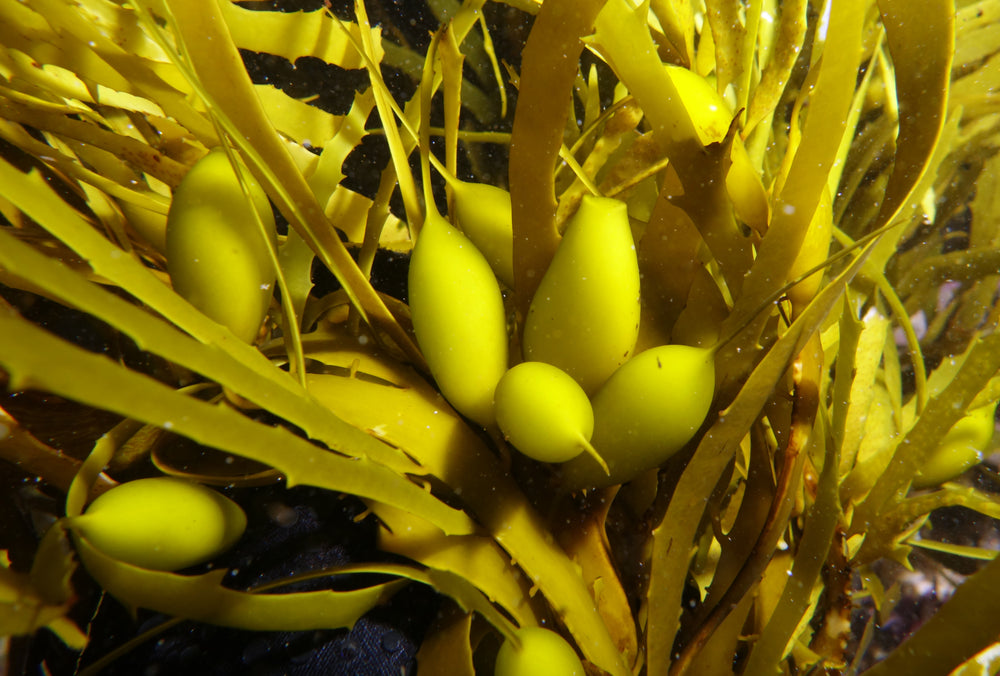
Restoring Sydney's Lost Kelp Forests
Kelp forests are among the most important ecosystems on the planet, providing critical food and habitat for hundreds of species. These vast underwater forests in Australia support coastal food webs, sequester atmospheric carbon, produce oxygen for marine life, and support unique coastal biodiversity. However, during the 1980’s, crayweed disappeared from Sydney’s reefs due to poor water quality and urban impacts. This project helped re-establish this essential habitat and food source for Sydney’s coastal marine biodiversity.
The restoration started in 2022 along the South Bondi coast, where 215 square feet of kelp was planted on subtidal rocky reef. With maintenance and monitoring over the first two years, this patch is expected to grow to over 40,000 square feet.

Crayweed Restoration Process
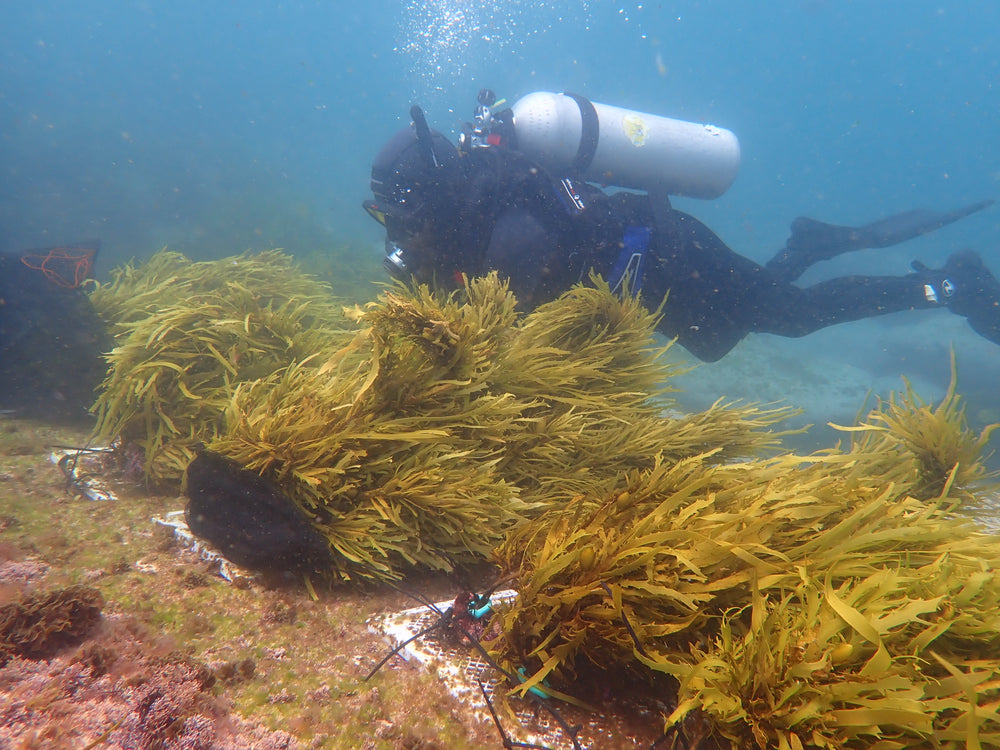
Prior to planting, a series of underwater surveys were conducted to help characterize biodiversity and inform monitoring of changes following crayweed reintroduction. With the support of project partner Operation Crayweed, the project involved transplanting healthy, fertile adult crayweed from existing populations and attaching them to deforested rocks using biodegradable mesh mats secured to the rocky reef.
Over time, transplanted crayweed reproduced, and new growth began to establish on the reef, contributing to the development of a self-sustaining population that expanded beyond the initial restoration patch. Divers monitored the project site to track crayweed survival and observe changes in marine life. Adult crayweed has been observed extending hundreds of meters from the original patch.
By creating patches of transplanted crayweed on the reef, the project helped re-establish this essential habitat. This effort supported the recovery of marine biodiversity and contributed to improved conditions for marine species to return and utilize the area.
Operation Crayweed
Operation Crayweed is a flagship project from the non-profit organization Sydney Institute of Marine Science. Operation Crayweed aims to bring crayweed back to reefs where it once flourished and to re-establish this essential habitat and food source for Sydney’s coastal marine biodiversity.
A little further reading...
A Critical Ecosystem In Rapid Decline
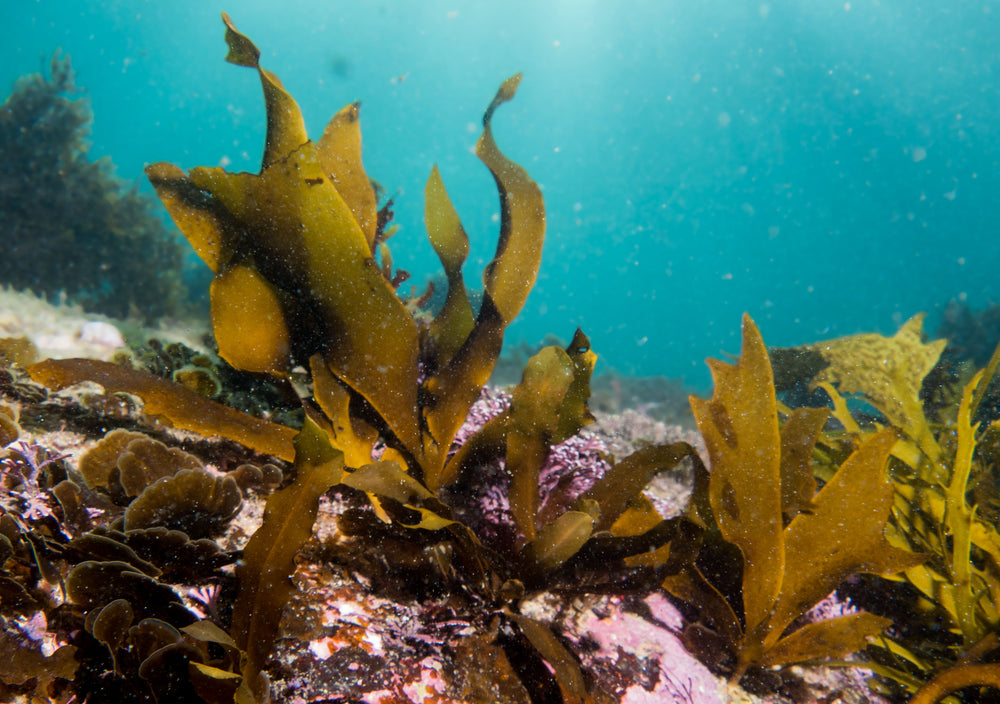
Beginning in the early 1980s, the crayweed population suffered an abrupt decline, eventually going locally extinct. This decline was primarily due to poorly treated sewage pumped directly onto Sydney’s beaches and bays. Although water quality in Sydney has improved dramatically since the addition of deep ocean sewage outfalls, the crayweed forests have not returned.
A Unique Geographic Setting - Subtidal Rocky Reefs
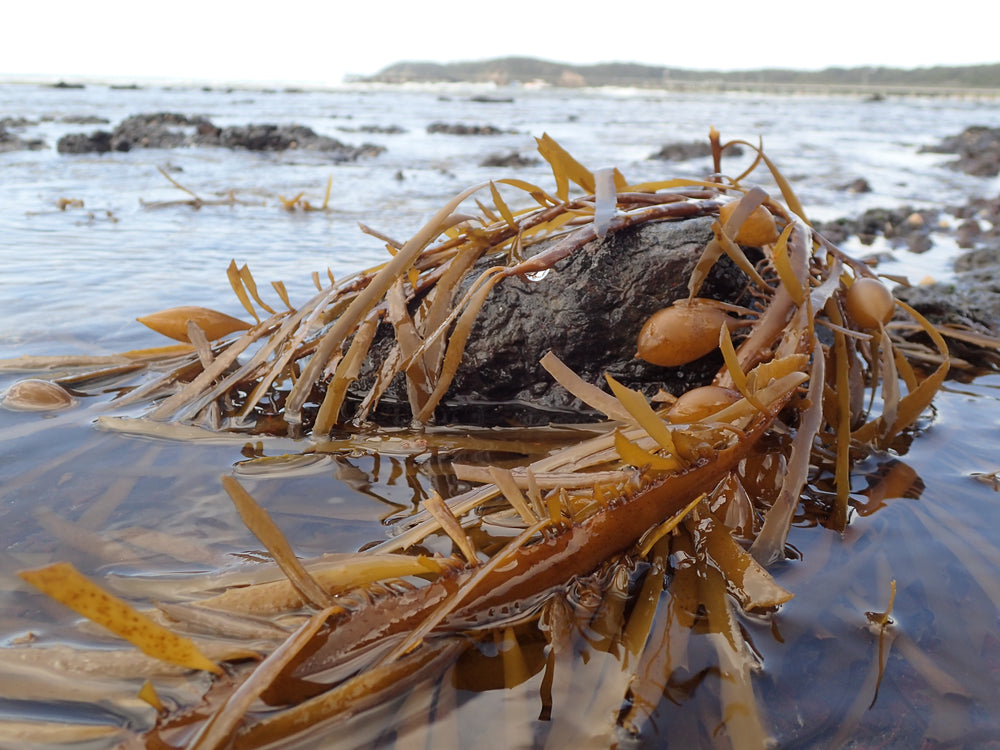
‘Crayweed’ forms dense forests on shallow reefs from Port Macquarie to Tasmania along the South Eastern coast of Australia. It provides food and habitat to hundreds of fish and invertebrates, including economically important abalone and crayfish. The degradation and eventual extinction of crayweed in Sydney has been detrimental to the local marine biodiversity and economy.
Sustainable Development
This project provides long-term employment for the local community. This in turn drives other Sustainable Development benefits.

Sustainable Development in Sydney
Crayweed is an important habitat-forming species that provides food and shelter for a wide range of marine life. These underwater forests support coastal food webs, contribute to carbon storage, produce oxygen, and help sustain coastal biodiversity.
Key Impact Metrics
This project:
- Supported the re-establishment of Phyllospora comosa, known locally as “crayweed,” in areas where it had previously declined.
- Transplanted approximately 20 m² of crayweed (~520 adults) onto Sydney’s reefs.
- Established an initial restoration patch that may expand over time (e.g., ~400 m² in 2 years and ~4,000 m² in 6 years; Verges et al. 2020), depending on environmental conditions.
- Engaged local partners and community members, contributing to awareness and stewardship of marine environments.
- Contributed to ecosystem functions such as nutrient cycling, carbon storage, oxygen production, and habitat provision for coastal biodiversity.
- Supported community engagement, education, and connection to ocean conservation.
- Provided habitat that may benefit species such as wrasse, parma, abalone, lobster, and herring.
Zero Hunger
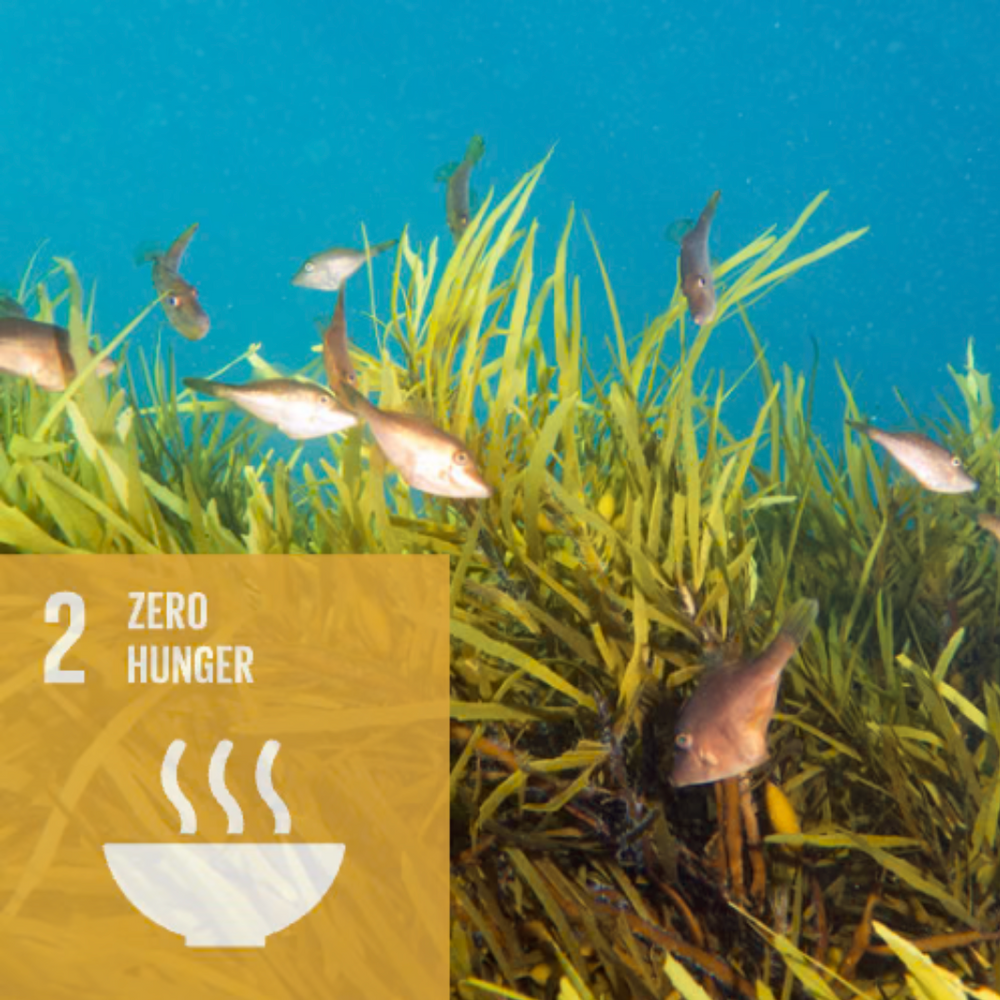
The Sydney crayweed forests support economically important species targetted by commercial and recreational fishers, including abalone and lobster. By restoring crayweed forests, this project enhances the habitat for these species, with a potential link to food security.
Quality Education
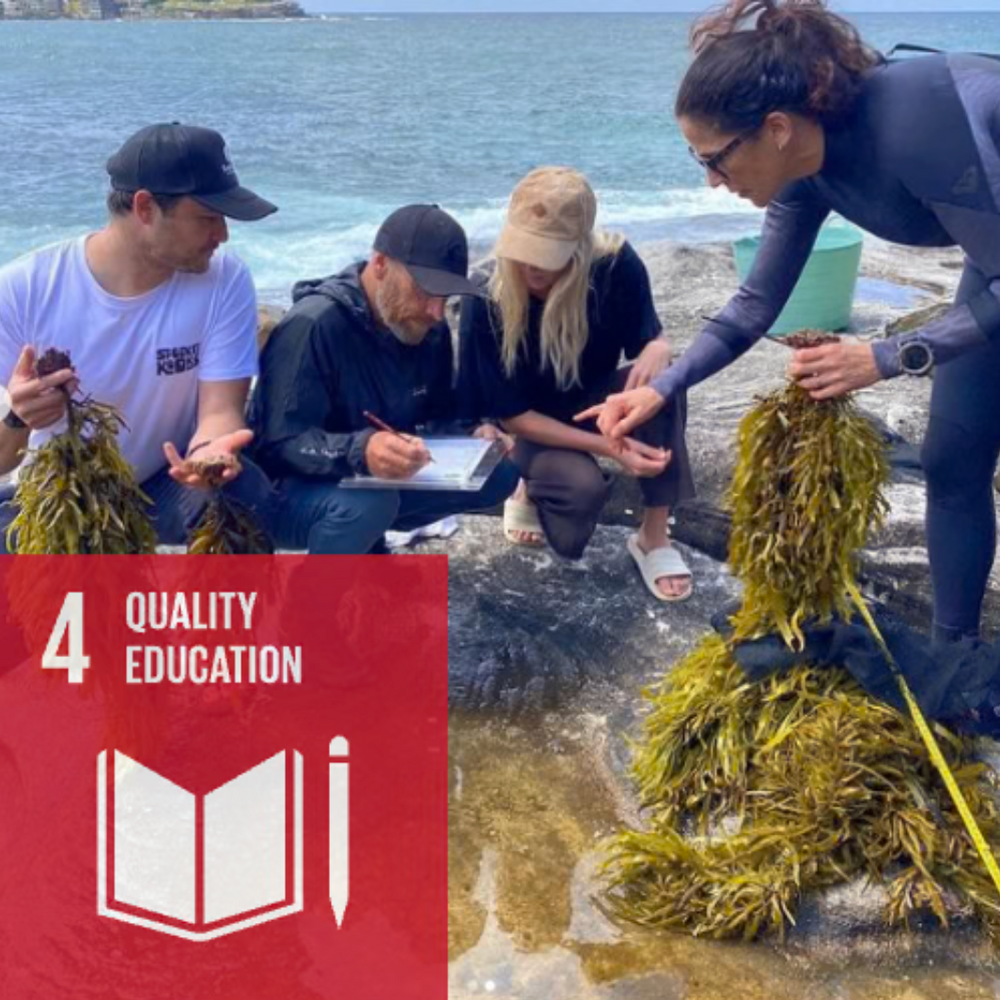
This project engages with younger members of the community through education activities in local schools, including Balgowlah, Clovelly and Avalon Public Schools in Sydney, as well as during National Science Week.
Gender Equality
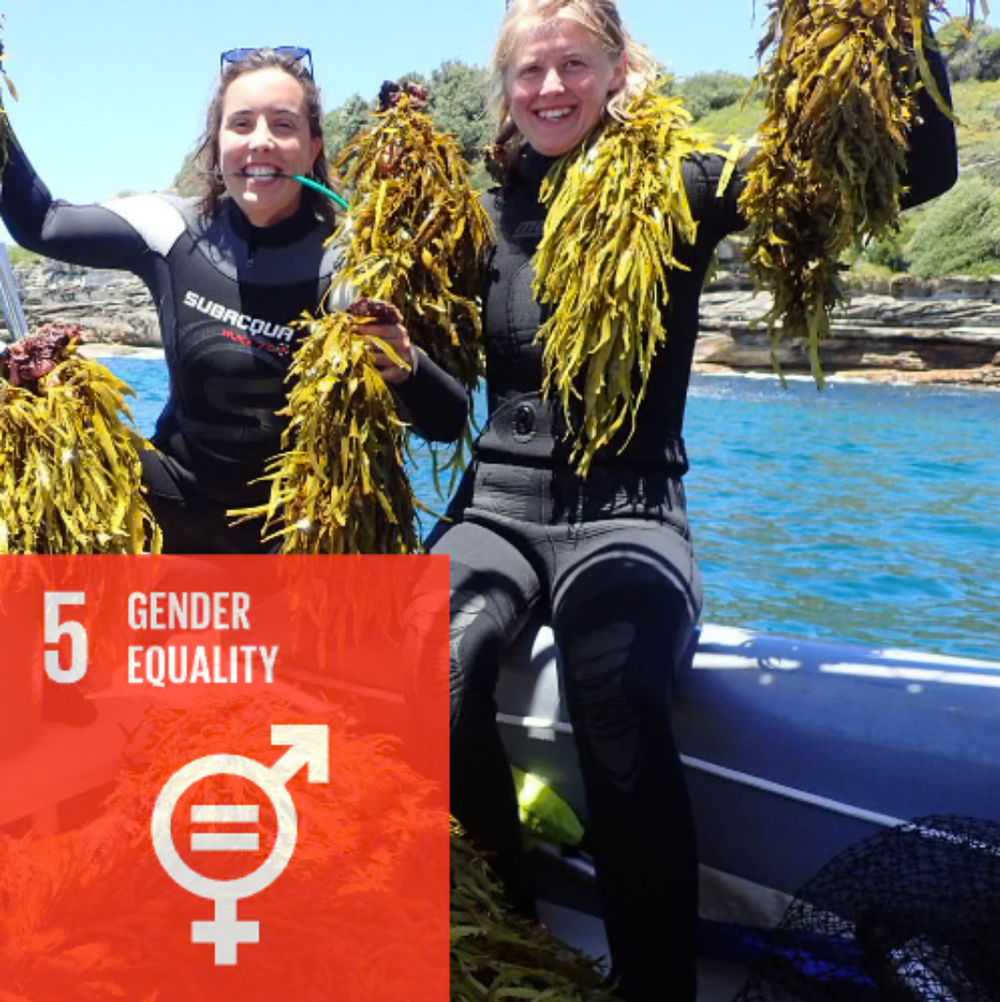
Operation Crayweed and the Sydney Institute of Marine Science employ several women who are key to the research and conservation efforts of this project. Operation Crayweed also runs community engagement and education activities that empower women and girls in the local areas.
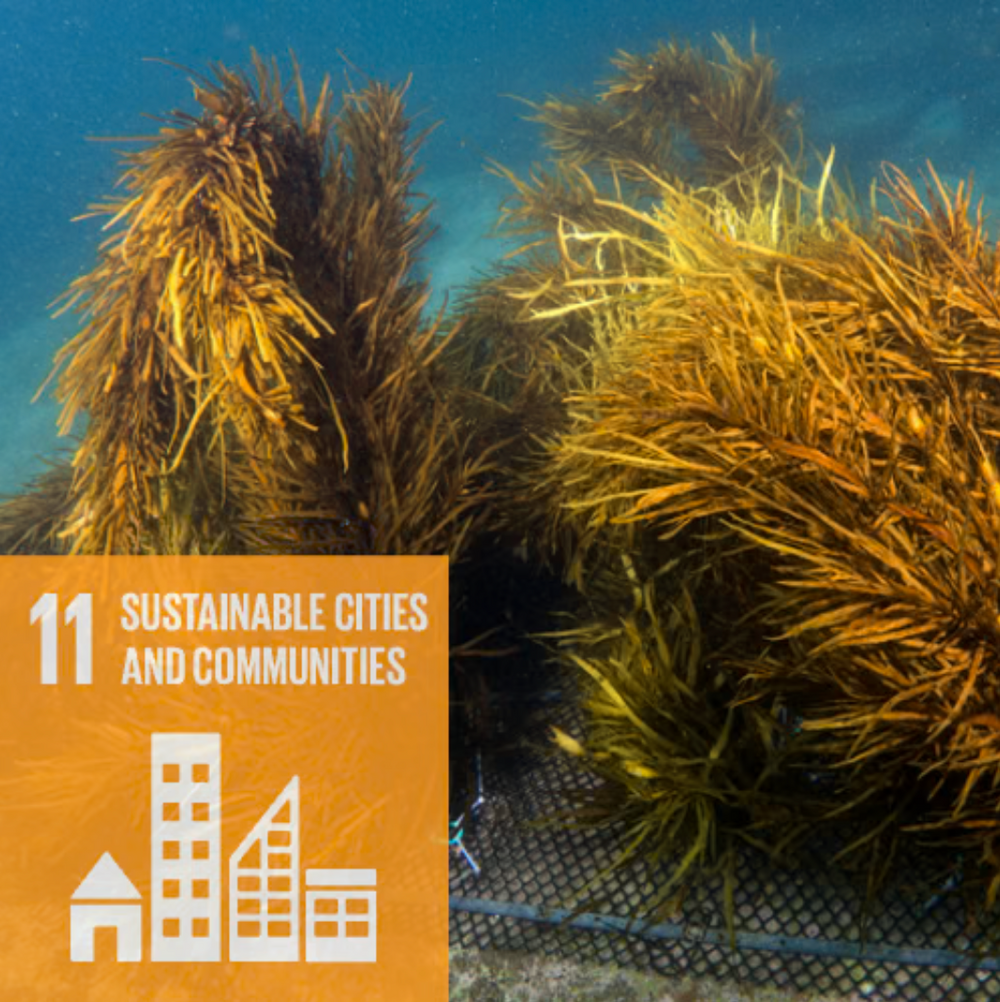
Sustainable Cities and Communities
Though not directly, a key aspect of urban resilience and sustainability is the maintenance and enhancement of native biodiversity and habitat, which this project implements by restoring crayweed forests along Sydney’s coastline, the largest city in Australia.
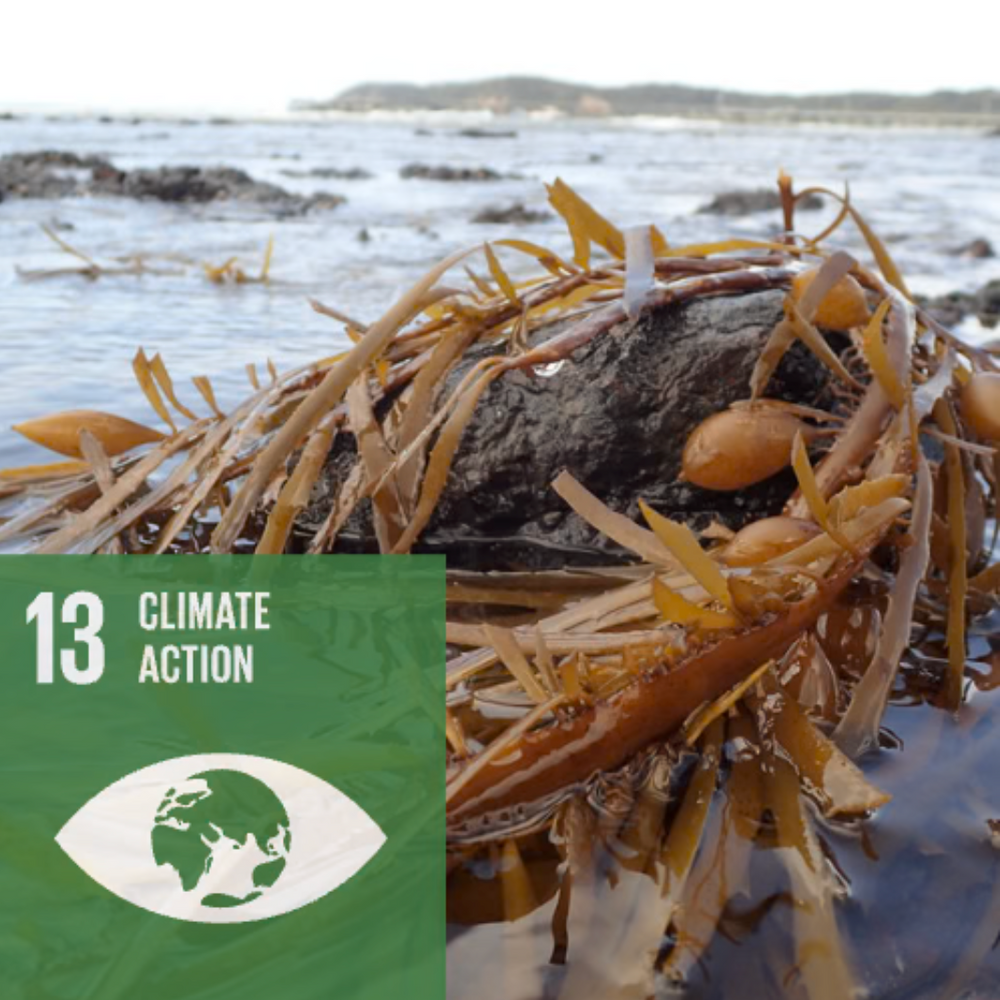
Climate Action
Kelp forests play an important role in sequestering CO2 around the world. Globally, kelp forests sequester as much CO2 as the world's mangrove forests. Additionally, the Sydney kelp forests are among the most important ecosystems on the planet, providing critical food and habitat for hundreds of species.
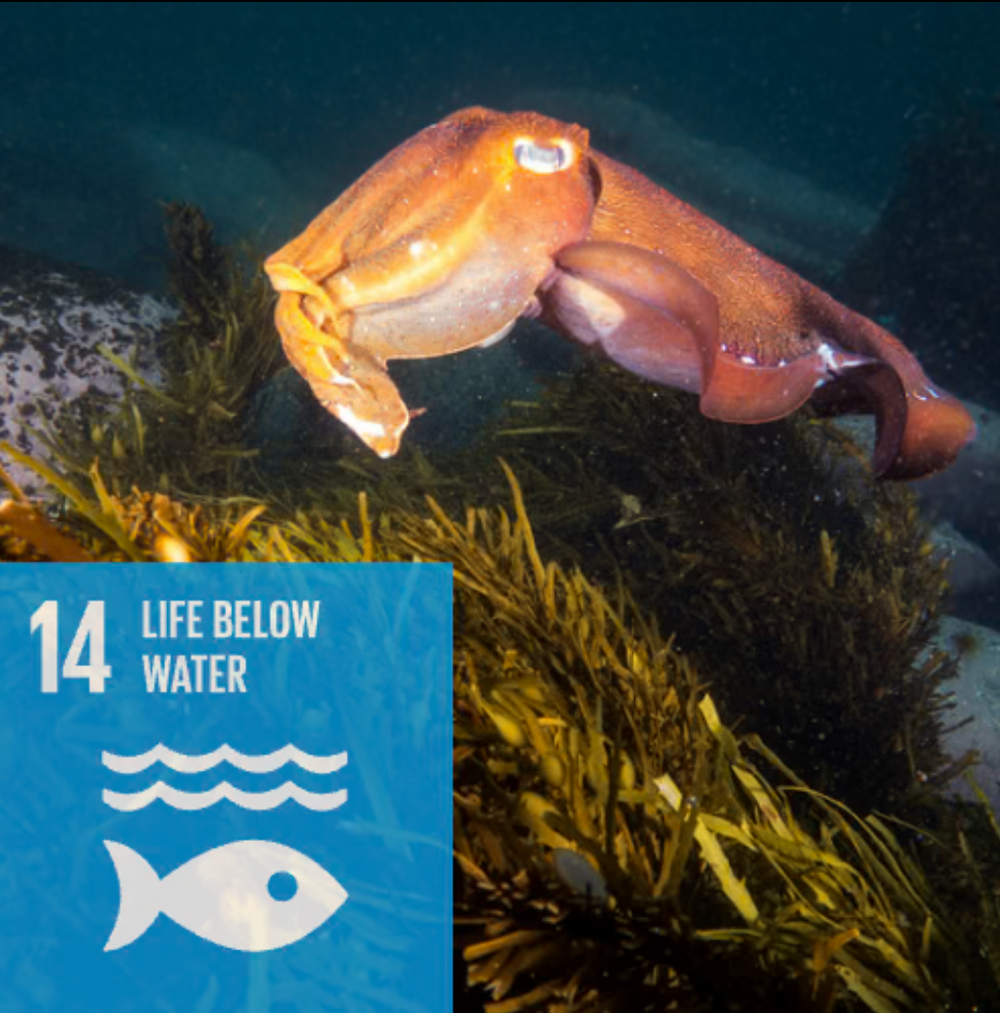
Life Below Water
A key scientific aspect of this project is that we use our understanding of the genetic makeup of populations to restore in order to enhance the genetic diversity (and thus potential resilience) of restored populations. Our current scientific research aims to determine which genotypes/populations of crayweed (and their microbiomes) can be used to build resilience of these forests into the future.
These vast underwater forests support coastal food webs, sequester immense amounts of atmospheric carbon, produce oxygen for marine life, and support unique coastal biodiversity, which is not supported by any other seaweed species.