Support the restoration of the San Elijo Lagoon in Cardiff, one of California’s largest wetland projects. With Nature Collective, we’re replanting native species, removing invasives, and protecting rare plants and wildlife.
~0%Invasive plant cover, down from ~35%
15Bird species, up from 12 in 2023
250+Native plants installed
150+Volunteers engaged
Why it matters
San Elijo Lagoon — coastal watershed restoration
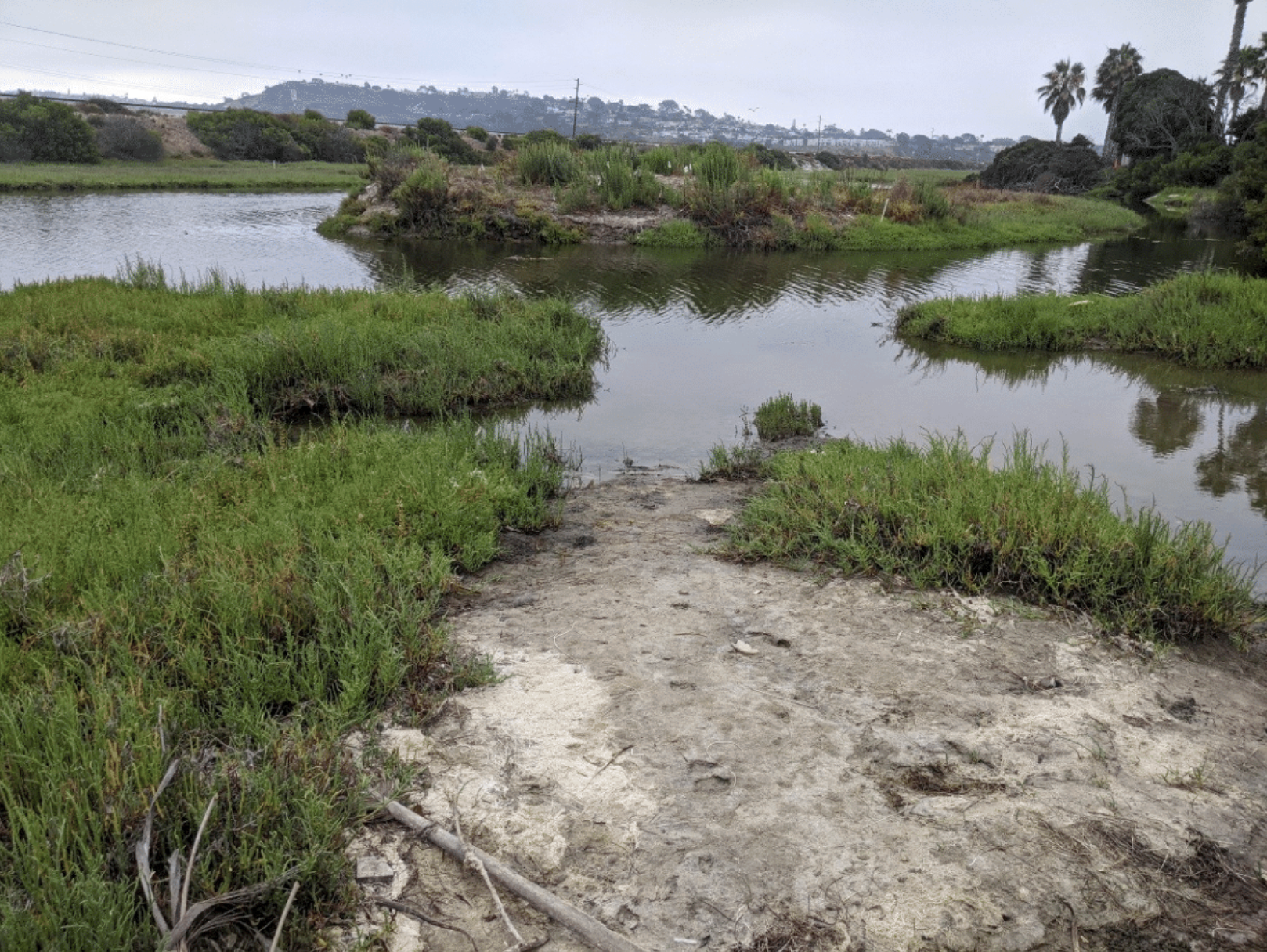
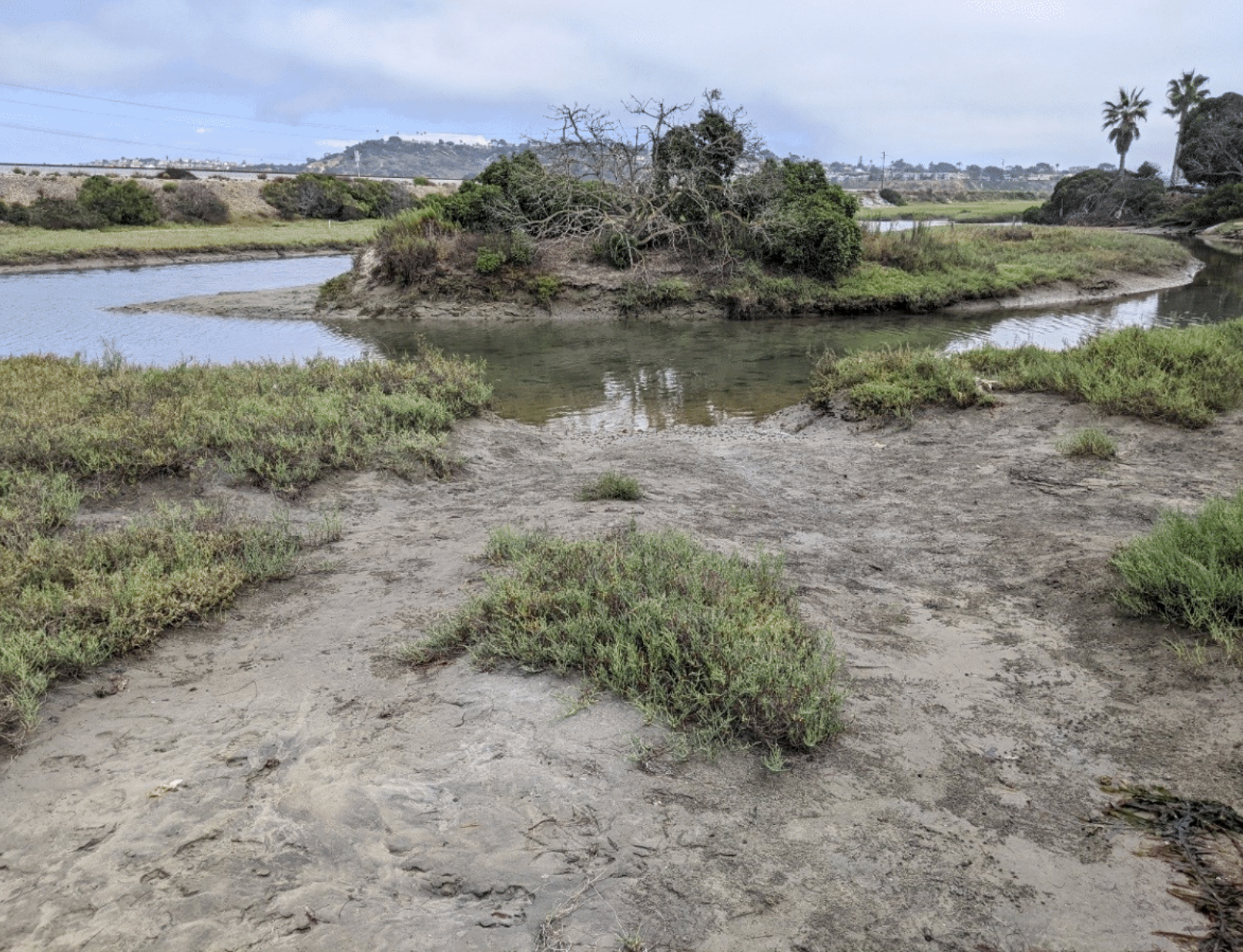
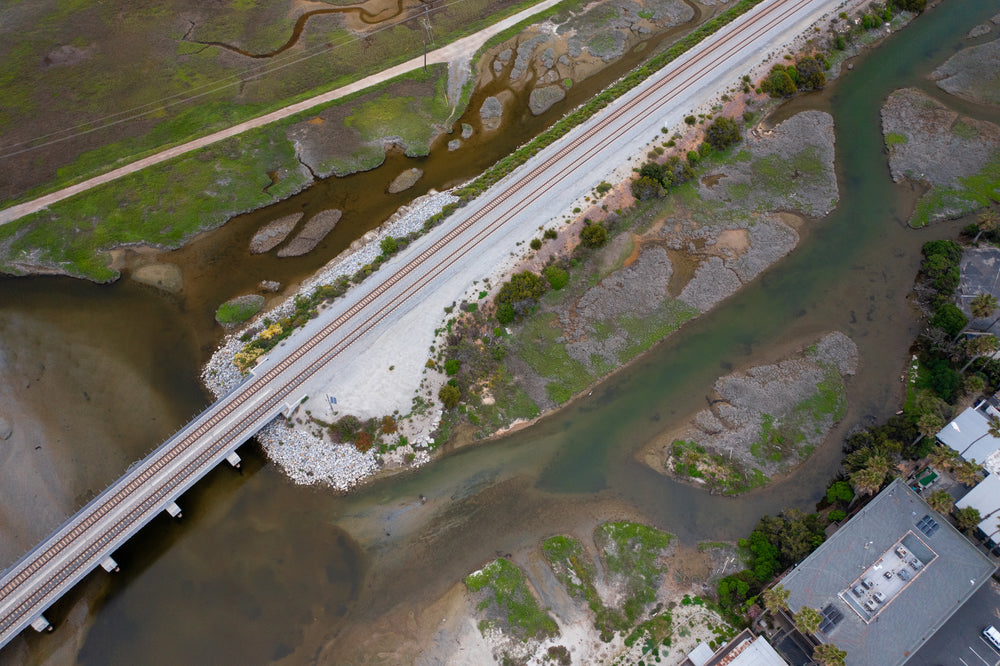
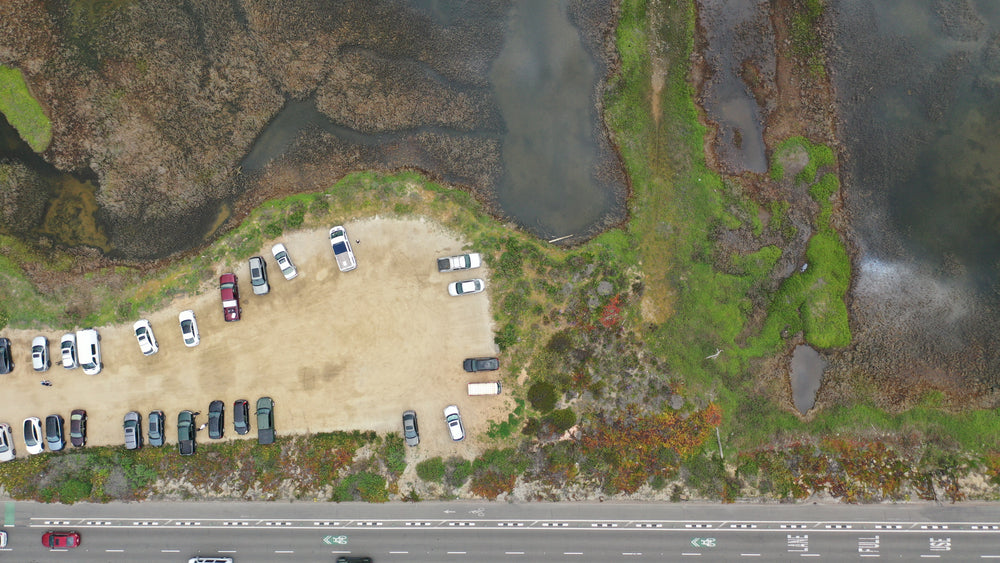
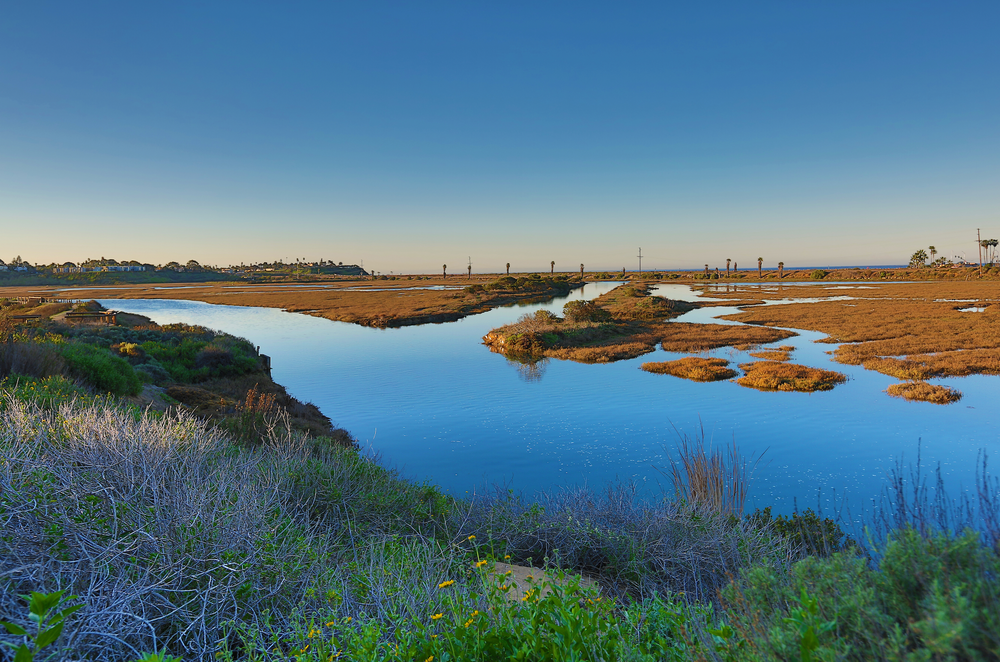
Seatrees has partnered with local San Diego nonprofit, The Nature Collective, to support the restoration of a portion of the watershed in Cardiff-by-the-Sea, California, in the West Basin of San Elijo Lagoon Ecological Reserve near the inlet. This project is one of the most extensive wetland restorations in California. Together, we are restoring 40,000 sq-ft across 3 different sites.
Without thriving native plant species, our lands – and their ecosystems – aren’t truly healthy.
20232024
Drag to compare. 2023 to 2024.
How it works
Remove. Plant. Monitor.
Restoring 40,000 sq ft across three sites in the West Basin of San Elijo Lagoon, one of California's most extensive wetland restorations.
1.Remove
Invasive plants are eradicated and managed, clearing space for the salt marsh species the lagoon depends on.
2.Plant
Native species are planted to suit the lagoon’s salinity gradient — including rare plants like San Diego marsh elder.
3.Monitor
Two years of weeding, watering and monitoring, with bird and pollinator surveys before and after restoration.
Where We Work
Restoration Sites
Site 1 (North San Elijo Lagoon)
Site 2 (South San Elijo Lagoon)
Site 3 (Middle San Elijo Lagoon)
See the restoration in action
Project partner
Nature Collective
The Nature Collective was founded in 1987 and is based in North County San Diego. Nature Collective serves as the steward of the San Elijo Lagoon, with a mission to drive a passion for nature, for all.
Nature Collective ecologists will conduct wildlife surveys pre and post restoration, these will include avian surveys and pollinator transect surveys to asses species diversity and abundance.
Nature Collective uses 25-meter point-intercept transects in conjunction with 2-meter belt transects to evaluate native and non-native foliar cover, shrub cover, and plant species richness
Seatrees evaluates every project against the 17 UN Sustainable Development Goals. The Cardiff watershed project supports 3 of them.
Goal 13Climate ActionThe Project is taking climate action and addressing the impacts of climate change by restoring salt marsh habitat in a wetland. Wetlands are key in protection from flooding, as the oceans warm and the effects of climate change are producing larger, more frequent storms, wetlands offer flood protection from storm surges. Coastal wetland restoration also aids in halting climate change by reducing the amount of Carbon and emissions in to the atmosphere. The Project will include planting and restoration of salt marsh plant species, these plants, and wetlands sequester more Carbon than tropical forests.Explore all 17 UN Goals →
Goal 14Life Below WaterThe Project site is located at the inlet to the lagoon, this channel is the direct link to the ocean. By restoring habitat at this site we are making sure the water reaching the ocean has been filtered and excess nutrients have been processed by a well- functioning wetland.Explore all 17 UN Goals →
Goal 15Life on LandThe restoration component of this Project will restore and enhance not only plant biodiversity, but also avian and insect biodiversity. By planting different salt marsh species than those present at the site, this habitat will be more heterogenous, more diverse. When a wetland has more plant species, it can support a wider range of animal speciesExplore all 17 UN Goals →
From the field
A little further reading
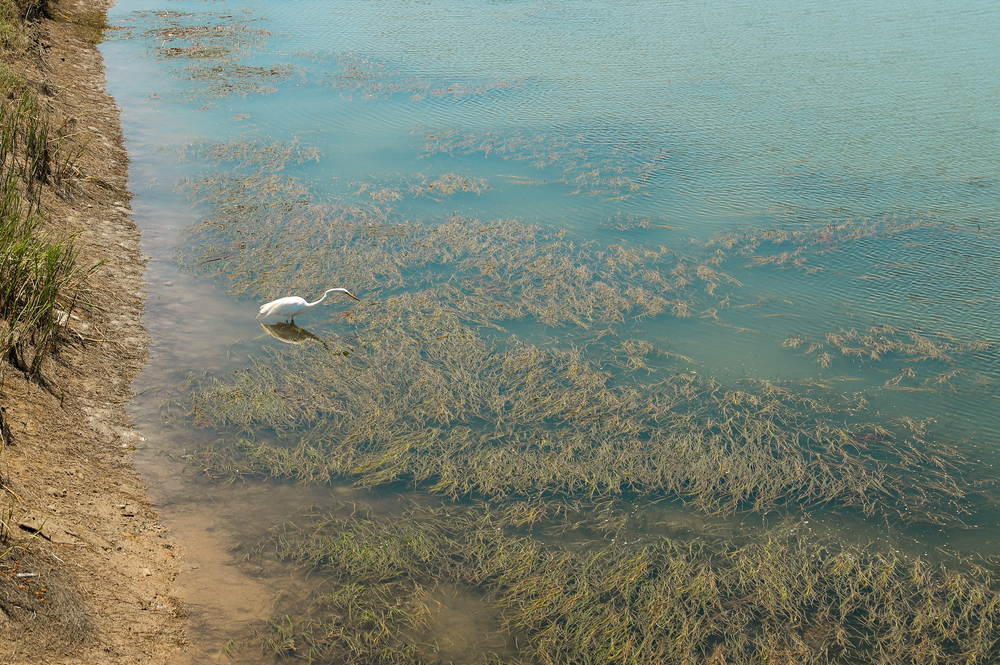
The return of eelgrassA notable attribute of this site is the natural return of eelgrass which during the right season, has returned to various spots along the lagoon. Additionally, the lagoon has also become a thriving habitat for octopuses, sea hares, and even seals, showing the diversity that can return through native restoration efforts.
Restoring tidal flowWider bridge spans and enhanced tidal channels let tidal flow reach farther into San Elijo Lagoon, restoring habitats that would otherwise have been lost and helping them withstand sea level rise.
Habitat for rare speciesThe salt marsh is vital habitat for the federally listed Belding's savannah sparrow, which nests only in pickleweed, and the Wandering Skipper butterfly, which relies on Saltgrass as its host plant.