
Oyster Reef Restoration Monitoring Project
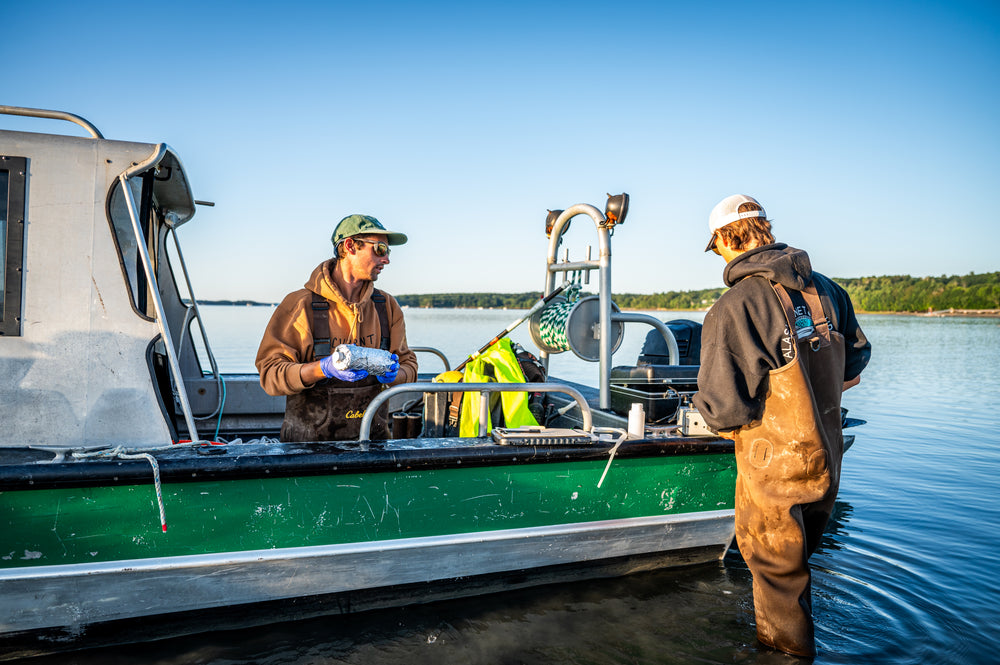
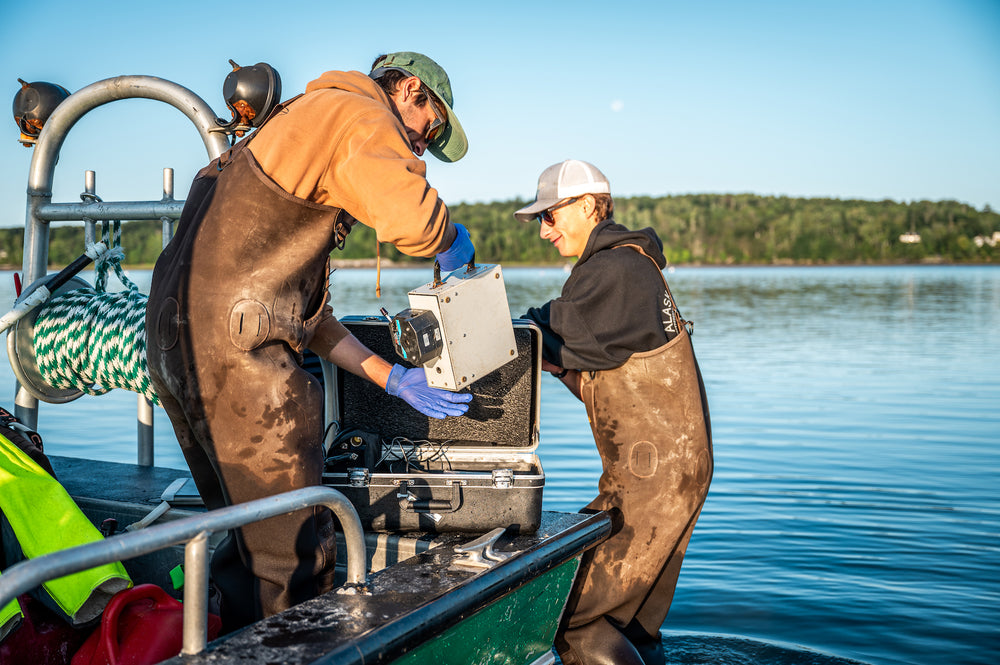
Seatrees has partnered with a local organization to restore degraded coastal habitat in Broad Cove, off the coast of Yarmouth, Maine. This organization specializes in state-of-the-art ecosystem monitoring using various technologies, like environmental DNA (eDNA), remote underwater cameras, and real-time monitoring buoys that take hourly measurements of dissolved oxygen, temperature, salinity, pH, chlorophyll-a, and turbidity and transmit this information via satellite.
According to Friends of Casco Bay, the coastal ecosystem faces threats of increasing change caused by human activity including nitrogen pollution, ocean and coastal acidification, climate chaos, and stormwater pollution. These challenges are being driven by polluted runoff, boater sewage, and the threat of oil spills. Perhaps most daunting are the impacts of climate change and the changing chemistry of the Bay itself.
By drawing in suspended particles from the water column and depositing them onto the seafloor, oysters enhance water clarity. Comparable to efficient pool pumps, a single oyster can filter up to 100 liters of water per day. When this filtration capacity is extrapolated to the millions of oysters within a reef, they emerge as the coast's equivalent of kidneys, effectively cleansing entire estuaries in a matter of days.
On a larger scale, oysters also exert a stabilizing influence on invertebrate communities, mitigating the impact of climate change across different latitudes, and providing intertidal species with a window of opportunity to adapt to the challenges of climate change.

A little further reading...
A Fragile Ecosystem
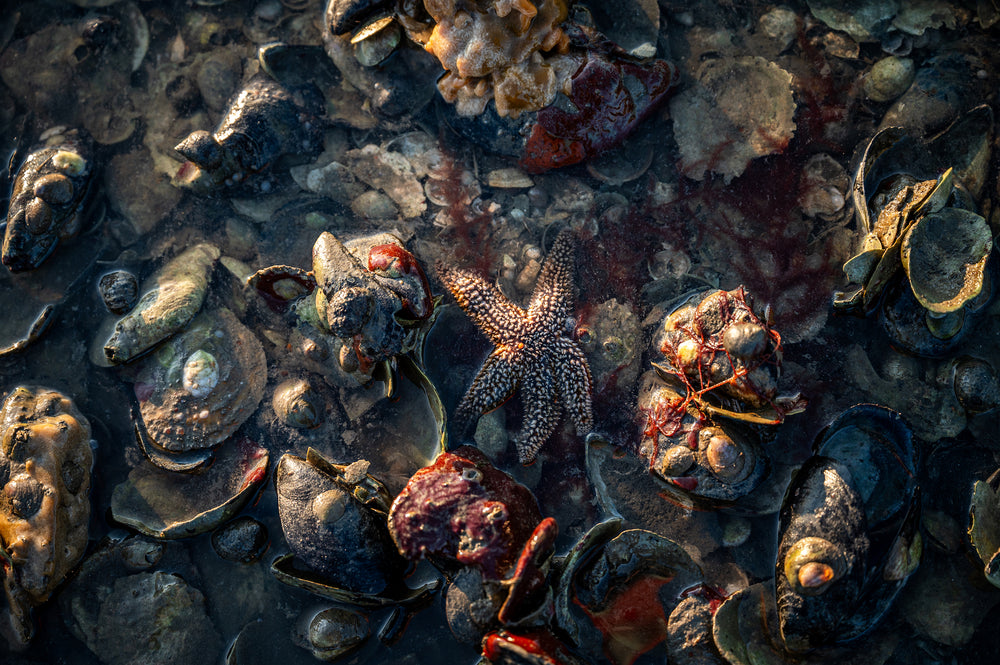
Casco Bay used to be home to naturally occurring oyster beds, as evidenced by large shell middens along the coast of Maine. Like much of the world’s oyster reefs, Maine’s suffered from a combination of pollution and overharvesting. As a result, Casco Bay lost a key species – a pillar of the marine ecosystem – and oyster restoration helps bring their functions back.
Why Oysters?
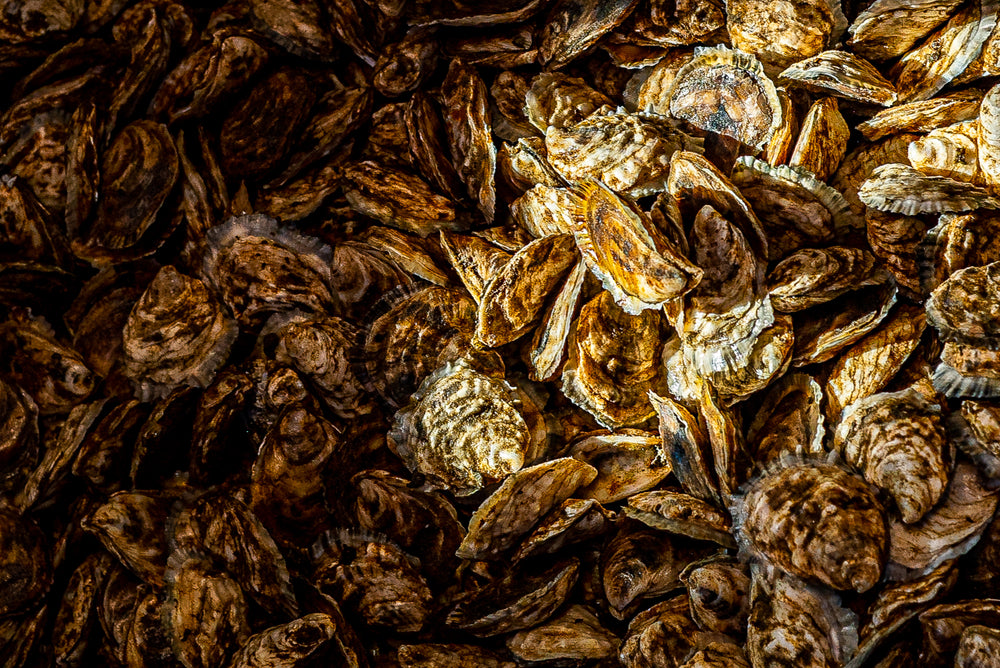
Oysters play a crucial role in marine ecosystems for a multitude of reasons. These filter-feeding bivalves contribute to improved water quality and nutrient cycling, offer a secure haven for young fish and small invertebrates, and aid in mitigating coastal erosion.
Sustainable Development
This project provides long-term employment for the local community. This in turn drives other Sustainable Development benefits.