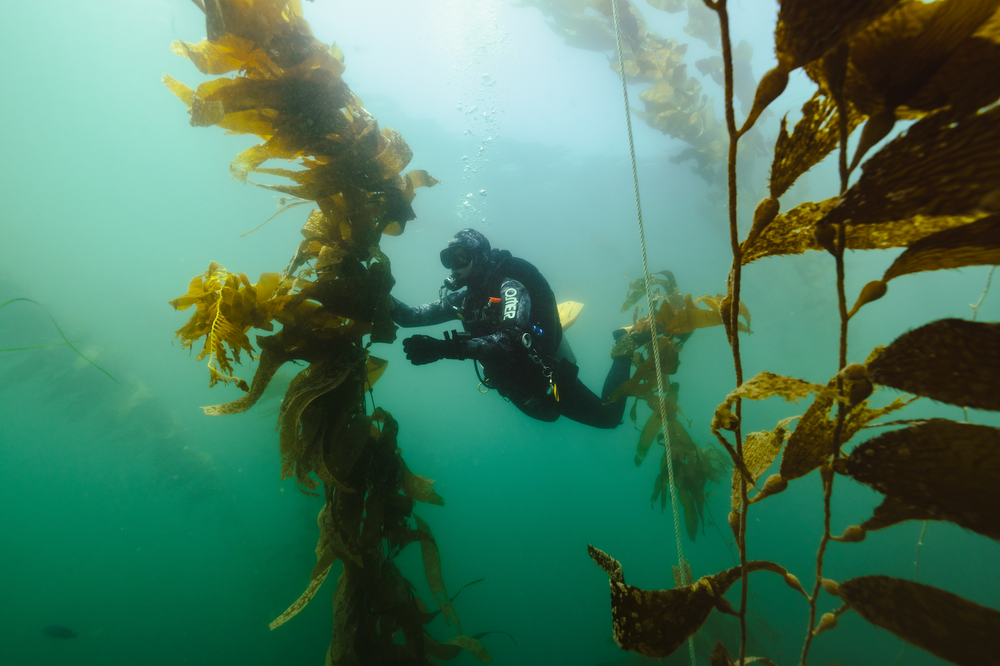
San Diego's iconic kelp forests are disappearing. After losing more than 90% of the La Jolla kelp forest during the last major El Niño, an even stronger marine heatwave now threatens the future of these underwater ecosystems.
Seatrees and the Scripps Institution of Oceanography are working together to restore these forests by identifying heat-tolerant kelp, building a genetic seed bank, and replanting resilient kelp that can better withstand our changing climate.
90%Of La Jolla's kelp forest lost
2014–15Marine heatwave that wiped it out
4Research objectives in La Jolla
California is Losing Kelp
The 2014 El Niño marine heatwave caused a 90% decline of La Jolla’s kelp forest. It has not recovered. Now, the 2026-27 Super El Niño will place even greater stress on these already vulnerable ecosystems. Without continued research and restoration, Southern California's kelp forests are likely to continue their decline.
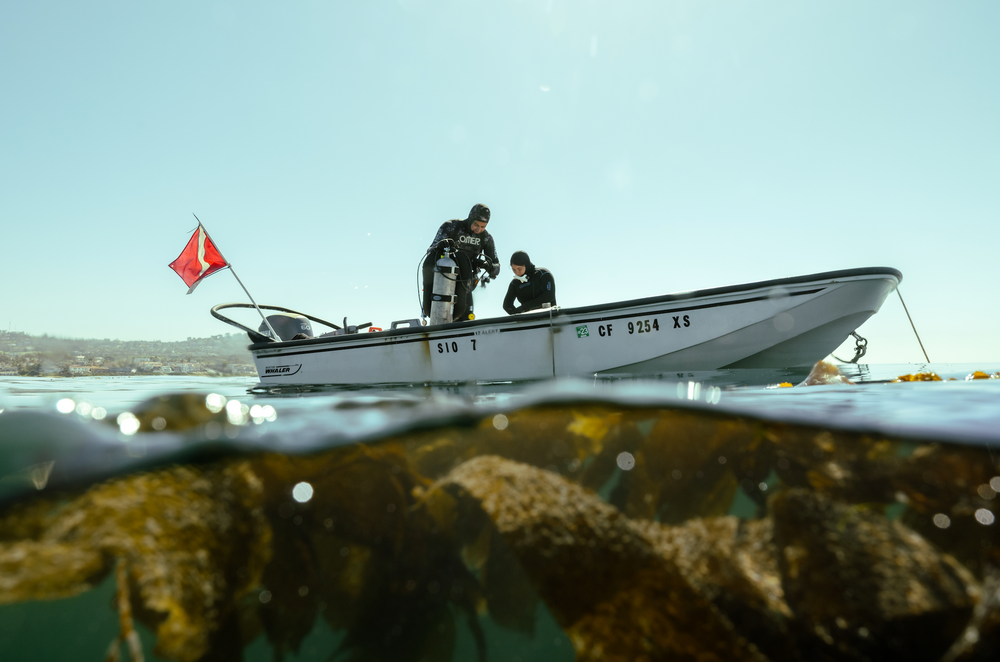
Since 2023, Seatrees has collaborated with Scripps scientists to investigate the cause of loss, and develop methods to restore San Diego’s lost kelp forests. These efforts focus on working with thermally tolerant kelp to identify strains capable of withstanding increasing temperatures.
2013Today
Drag to compare kelp coverage.
How it works
Measure. Understand. Restore.
The Kelp Restoration Science Project works with Scripps Institution of Oceanography to find out why La Jolla’s kelp has not come back — and how to restore it.
1.Measure
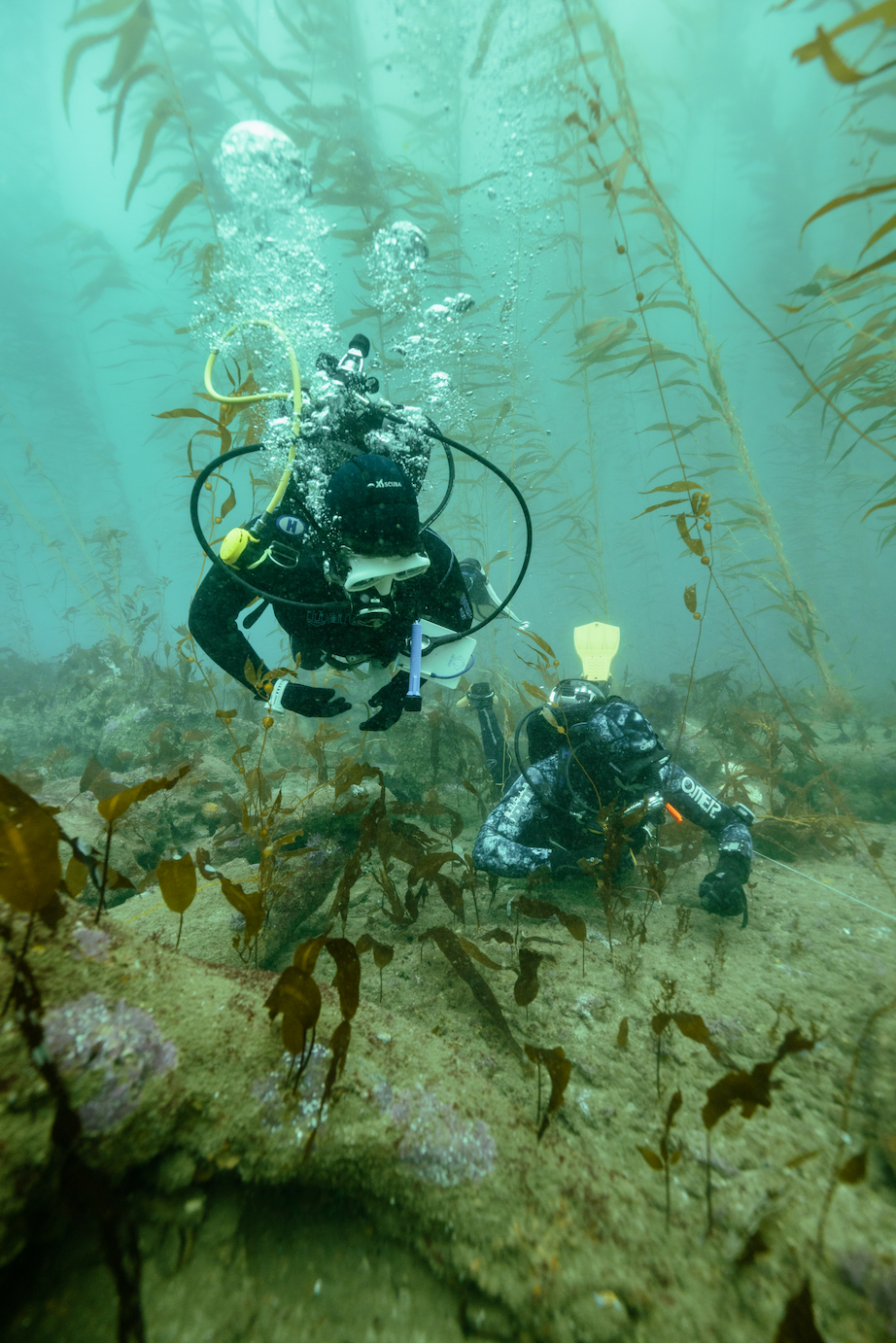
Measure the current health of the La Jolla kelp forest, inside and outside the area where the recent loss occurred.
2.Understand
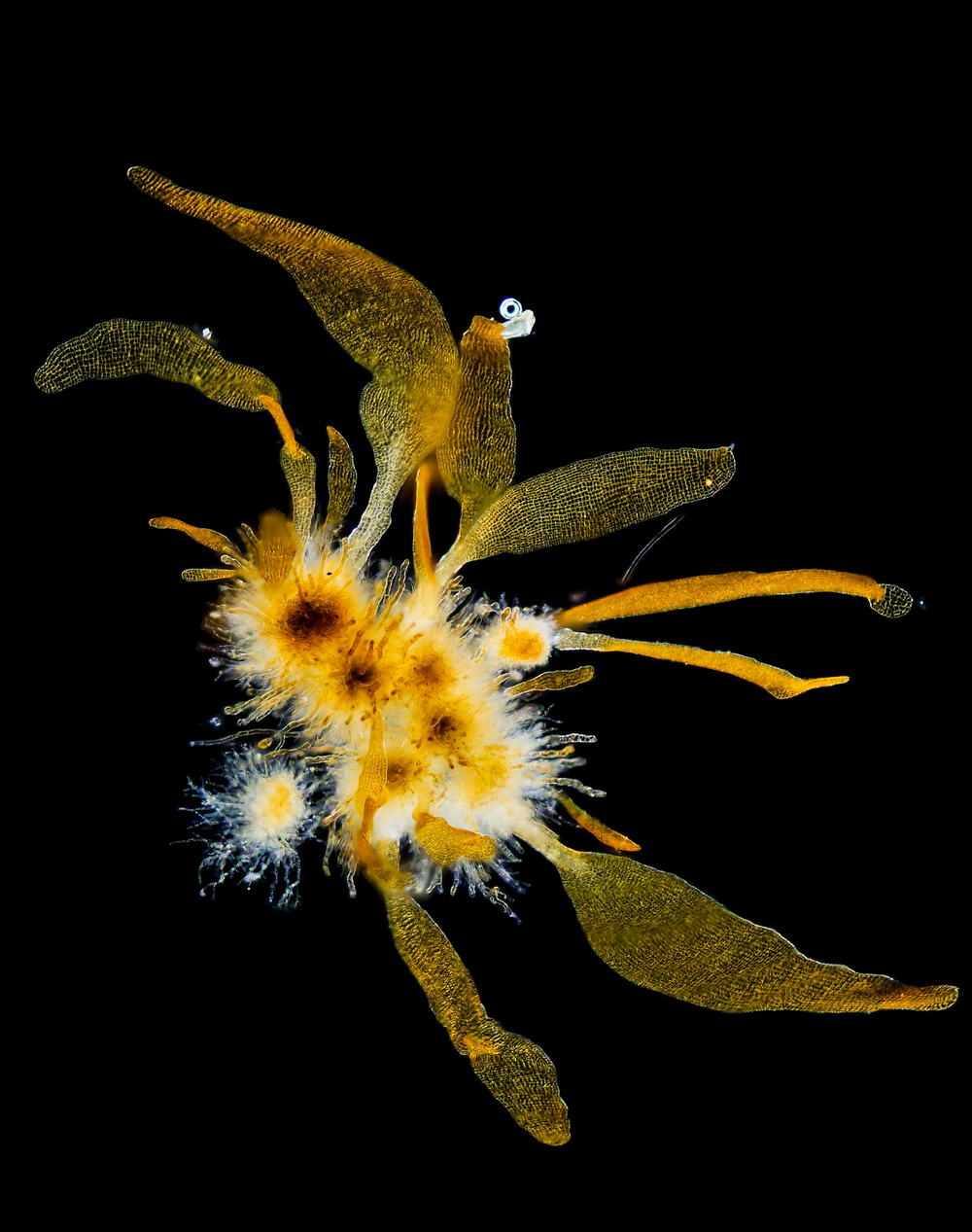
Understand why the kelp was lost, including the microscopic stages of the giant kelp life cycle.
3.Restore
Field-test outplanting and aquaculture techniques, and develop thermally-tolerant kelp strains and a germplasm bank.
See the restoration in action
Project partner
Scripps Institution of Oceanography
To solve this problem, Seatrees is working with scientists at UC San Diego Scripps Institution of Oceanography to conduct scientific research on the best methods to restore the kelp forests of La Jolla and San Diego County.
Why We Need Your HelpWith your support, we will work with the scientific community at Scripps Institution of Oceanography , a leading research authority in marine science, to find new solutions to kelp forest restoration. This research will be critical in bringing back these vital coastal ecosystems, and informing the state-wide kelp restoration toolkit being developed by the Ocean Protection Council for the State of California.
Why We Need to Act NowKelp forests around the world have suffered detrimental impacts over the last several decades, including dramatic losses in California in the past 10 years. Going forward, threats to kelp forests will only increase due to climate change and loss of ecosystem resilience. To respond to this threat, communities in California and around the world are organizing to create large-scale projects to restore and protect kelp forests. But there are still many scientific unknowns, and solving these unknowns now will be critical to scaling up kelp restoration in the future.
How is Your Donation Spent?Your support of this project will go directly toward research expenses involved in the investigation of San Diego’s disappearing kelp forests. Furthermore, your donation will support the monitoring of the site, developing content, sharing stories, and ongoing communications about the project.