Empowering local communities to plant and protect mangrove ecosystems.
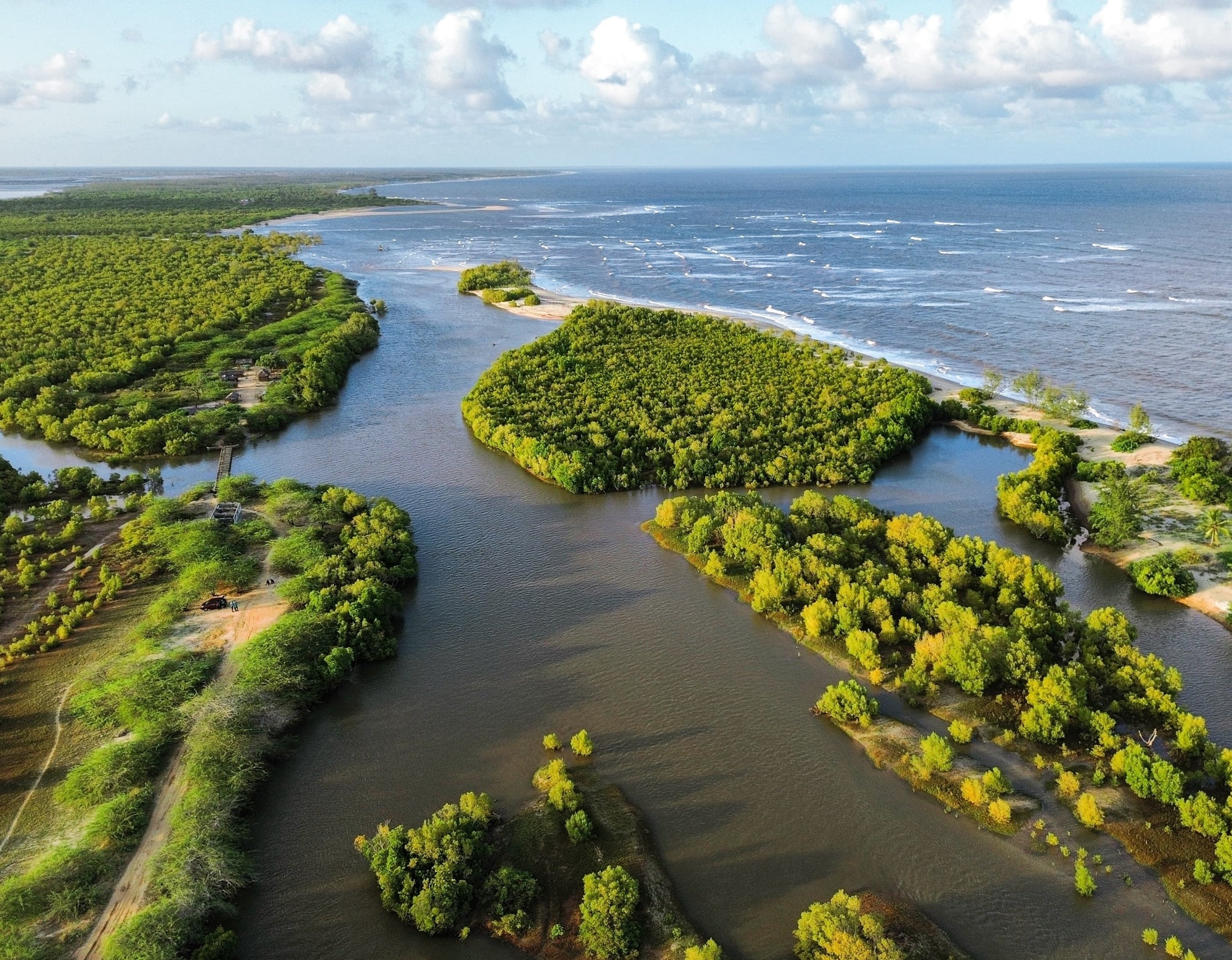
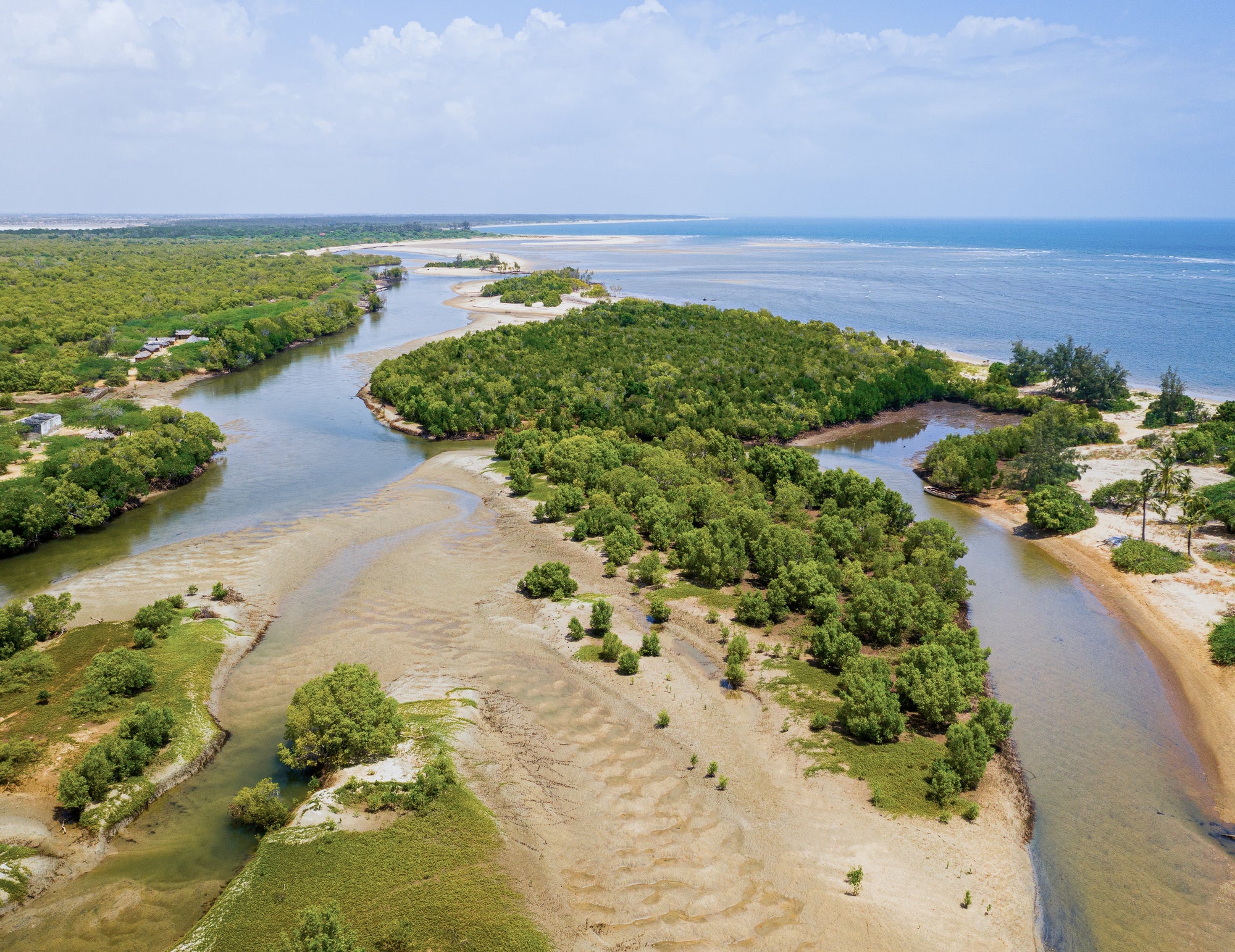
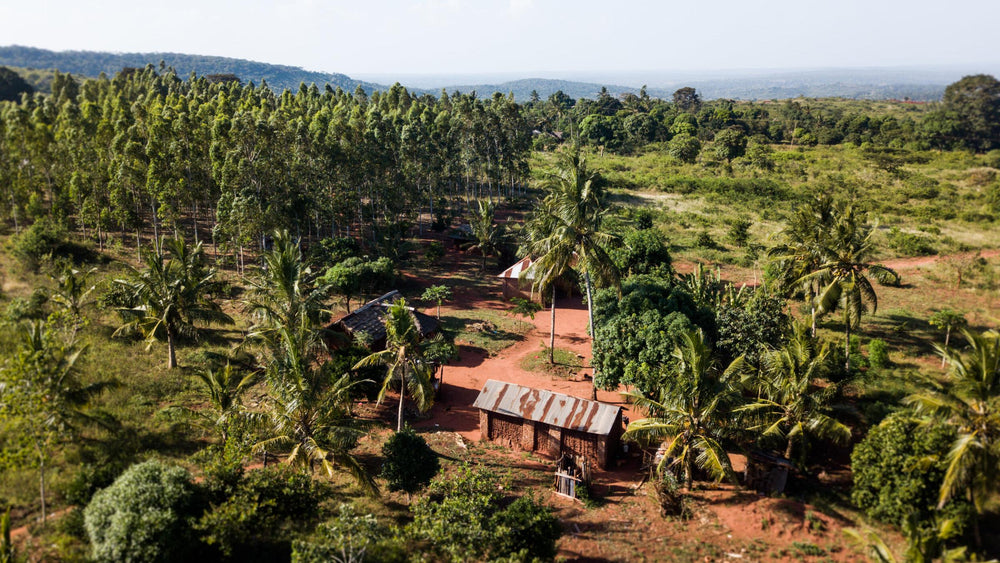
This project restores and protects 640 hectares of highly degraded mangrove forest within Kilifi County in Kenya. With the help of project partners COBEC (Community Based Environmental Conservation) and the local community, Seatrees is supporting restoration of the Marereni mangrove forest ecosystems along Kenya’s eastern coast.
Since 2023, the project has planted 1,090,000 mangrove seedlings, successfully restoring 109 hectares of degraded land, and directly engaging and supporting over 800 local community members in restoration efforts.
Before Your SupportAfter Your Support
Drag to compare.
1,090,000Mangrove seedlings planted since 2023
109 haOf degraded land restored
740Local tree planters employed
40%Of jobs held by women
How it works
Grow. Plant. Monitor.
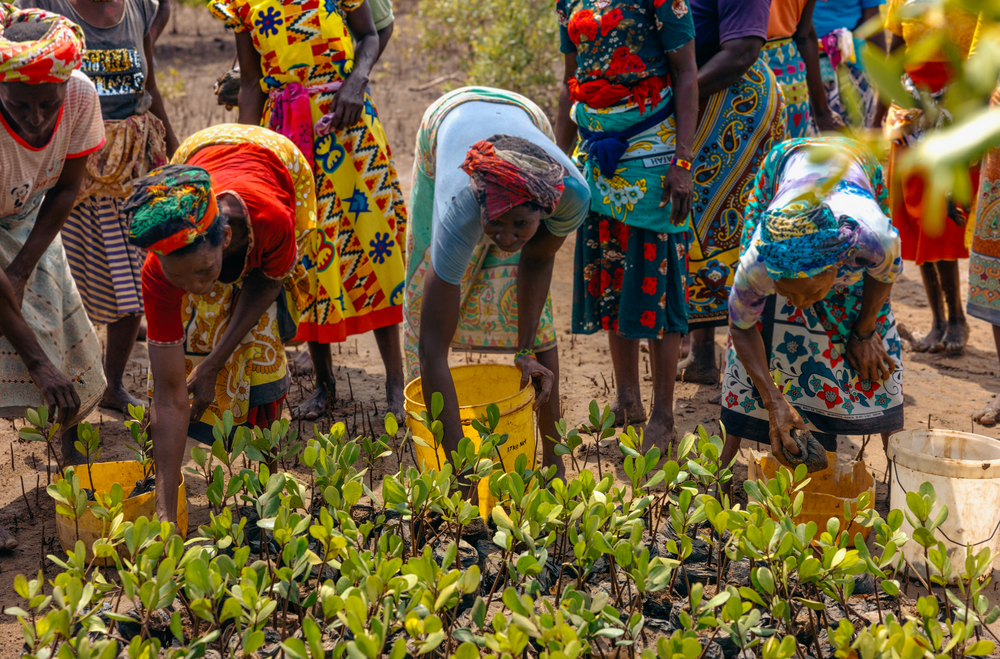
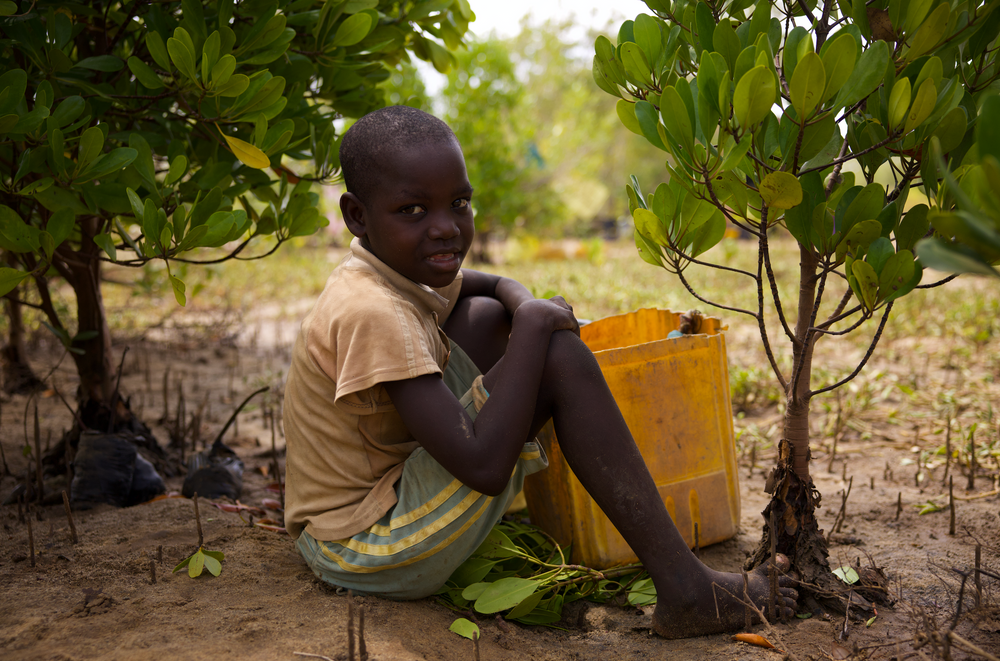
COBEC works with local villages to replant mangroves in deforested areas — creating jobs and income for the community groups that manage the nurseries.
1.Grow
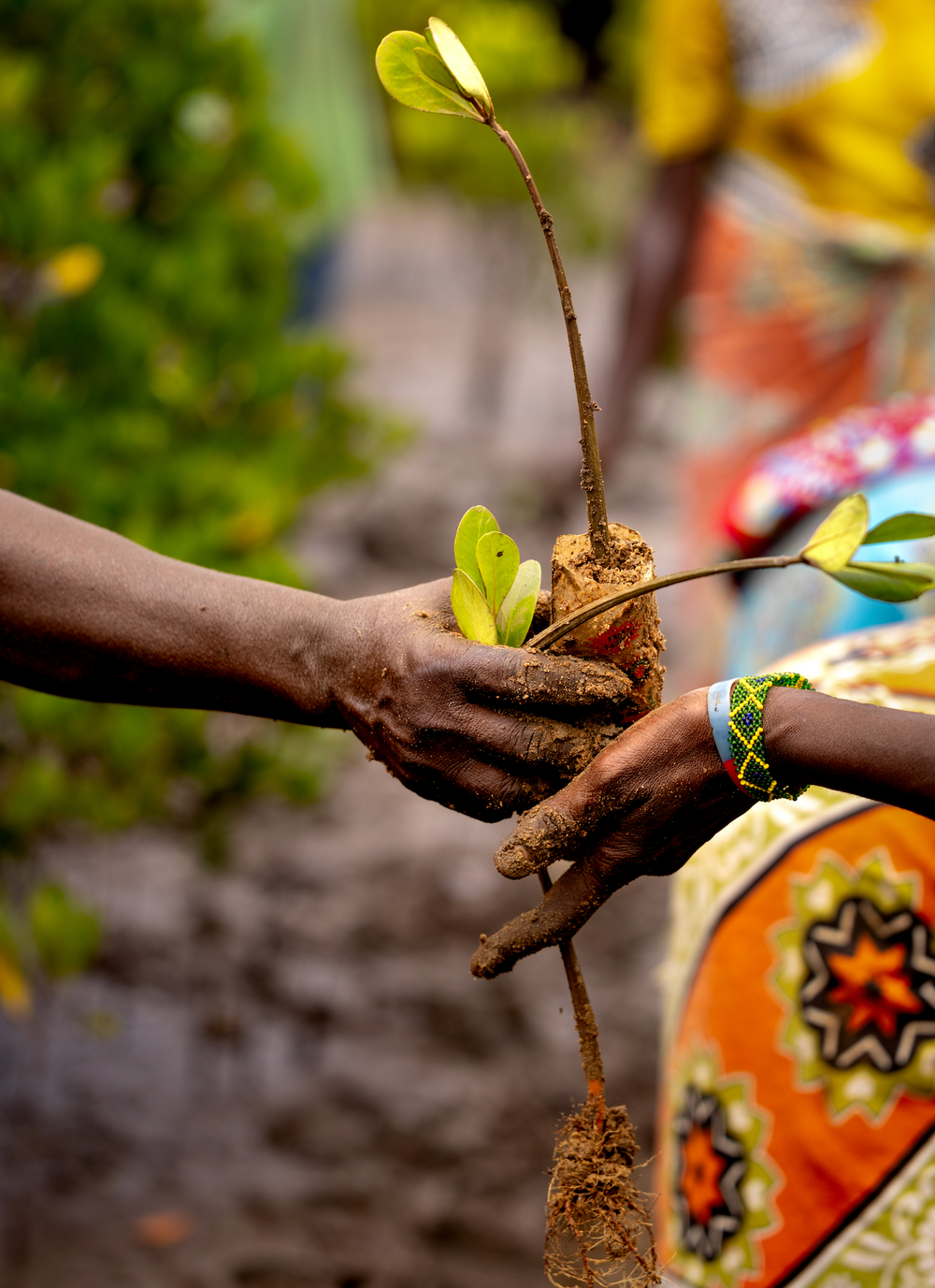
Community groups collect mangrove propagules and raise seedlings in village-managed nurseries.
2.Plant
Local planters return seedlings to deforested areas of the Marereni estuary, strategically restoring the forest.
3.Monitor
COBEC trains the community to monitor growth and survival, so the restoration lasts.
See the restoration in action
Project partner
COBEC
Seatrees has partnered with COBEC (Community Based Environmental Conservation), a community-based organization founded in 2005 in Kenya – focused on local "grassroots" ocean conservation efforts.
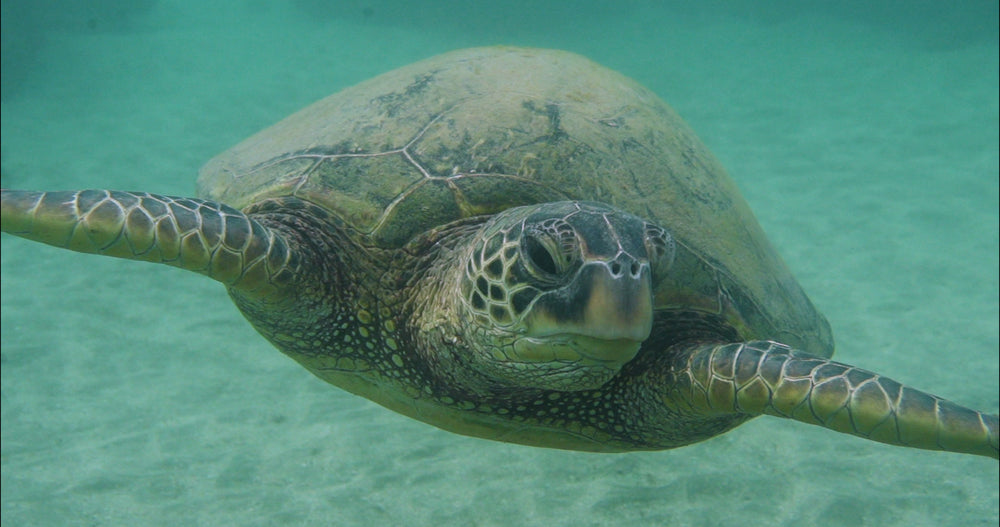
Their main programs implemented with the support of the local communities and government stakeholders focus on mangrove forest restoration and sea turtle conservation
Seatrees evaluates every project against the 17 UN Sustainable Development Goals. The Marereni mangrove project supports 9 of them.
Goal 1No PovertyWhile Kenya has the largest economy in east Africa, 36% of its population still live below the international poverty line. This project generates economic opportunities for the communities in the Marereni area.Explore all 17 UN Goals →
Goal 2Zero HungerCommunity members are able to provide meals to their families with wages earned through nursery management.Explore all 17 UN Goals →
Goal 3Good Health and Well-beingIn Kenya, although certain hospitals provide free medical care to patients, many medical expenses are still unaffordable for individuals living at or below the poverty line. However, by participating in mangrove tree planting initiatives with COBEC, community members have been able to generate income that they have used to purchase medications for their households and receive medical treatment at clinics.Explore all 17 UN Goals →
Goal 4Quality EducationWhile school fees for Kenyan public schools were abolished in 2003, families still face costs for uniforms, school supplies, and more. Proceeds from the project will support in paying school fees for beneficiary families, as well as provide training sessions to beneficiaries.Explore all 17 UN Goals →
Goal 5Gender EqualityThe success of this project has been shown to rely heavily on women's participation. More than half of the community members involved in the tree planting and management of sapling nurseries are women.Explore all 17 UN Goals →
Goal 8Decent Work and Economic GrowthThe project will create jobs/income for the community groups that will establish nurseries. Over 600 people will be employed planting on a regular basis which will assist people in renovating their houses among other things mentioned above. The project will provide short-term employment opportunities during the project period. Additionally, individuals will have the opportunity to invest in long-term enterprises with the amount they earn from the project.Explore all 17 UN Goals →
Goal 13Climate ActionThe threat of climate change is a worldwide concern that impacts all societies. To address this issue, SeaTrees has partnered with COBEC to raise awareness of the project and educate community members on the advantages of conserving mangrove ecosystems. COBEC conducts training sessions for the Marereni community on monitoring mangrove growth and survival to guarantee the long-term success of the restoration efforts.Explore all 17 UN Goals →
Goal 14Life Below WaterThe project area serves as important breeding grounds for many species of fish and is home to threatened species of turtles. Both seagrass and mangrove trees serve to trap sediments, benefiting local coral reefs and providing an important habitat for many marine species.Explore all 17 UN Goals →
Goal 15Life on LandThe project area is made up of fringing, estuarine, and creek mangrove ecosystems. These habitats are important feeding and breeding grounds and is home to baboons, monkeys, as well as an important passage and feeding area for flamingos.Explore all 17 UN Goals →
On the ground
Explore the restoration site
Explore the Marereni restoration site on Kenya's eastern coast, in Kilifi County.
From the field
A little further reading
Threatened by deforestationOver the last several years, the mangrove forests within the Marereni ecosystem have been destroyed by land conversion, poaching, and Illegal logging. This degradation has led to loss of biodiversity, increased coastal erosion, loss of sea grasses and coral reefs, and decreased availability of wood.
A Biodiversity HotspotThe project area is made up of fringing, estuarine, and creek mangrove ecosystems. These habitats are important feeding and breeding grounds for many important fish species, and is home to baboons, monkeys, and turtles, as well as an important passage and feeding area for flamingos. The regeneration of these mangrove forests will reestablish critical habitats for several species and ensure they thrive for many years to come.
Sustainable DevelopmentThis project provides long-term employment for the local community. This in turn drives other Sustainable Development benefits.